Renée Nicole Good and the questions that already have answers
Renée Nicole Good was murdered by ICE yesterday. Her wife was with her, their son was at school, and she was a rapid responder on the ground in Minneapolis protecting her neighbors from violence, kidnapping, separation, and terror.
Everywhere in the antifascist movement we are grieving. More than one emergency vigil happened in my city last night. I think because ICE terrorized us so thoroughly this fall, because our community has had victims too – including Silverio Villegas González who was murdered in September – another tragedy like this unspools threads of mourning and rage we’ve barely packed away. I’ve been sick to my stomach all day, shaky, crying, nauseous, woozy – I think beyond just the grief, I’m feeling existential dread, mortal terror.
There are questions that ring in my mind over and over, like the one from Renée’s wife about what she was supposed to do, how she’d pick up their child from school; like the pleas from the physician on the scene to do what he was trained to do and try to save a life. And then the one that is sort of a haunting, that always comes up after something like this happens, that I ask of myself and all of my community and also the whole world: Will we keep going after this?
The question comes up because I am very afraid. This event strikes so much fear in me because I and my loved ones have also been rapid responders to ICE activity in my city. I’ve been scared the whole time I’ve been doing this; the risk has been real and present. I was glad to take a break when our city got a reprieve this winter (though we’re still being targeted, and my comrades are still out there organizing), and I don’t want to be too scared to get back into it soon like I planned. Of course scaring us away from stopping them is the point. How to keep going after this?
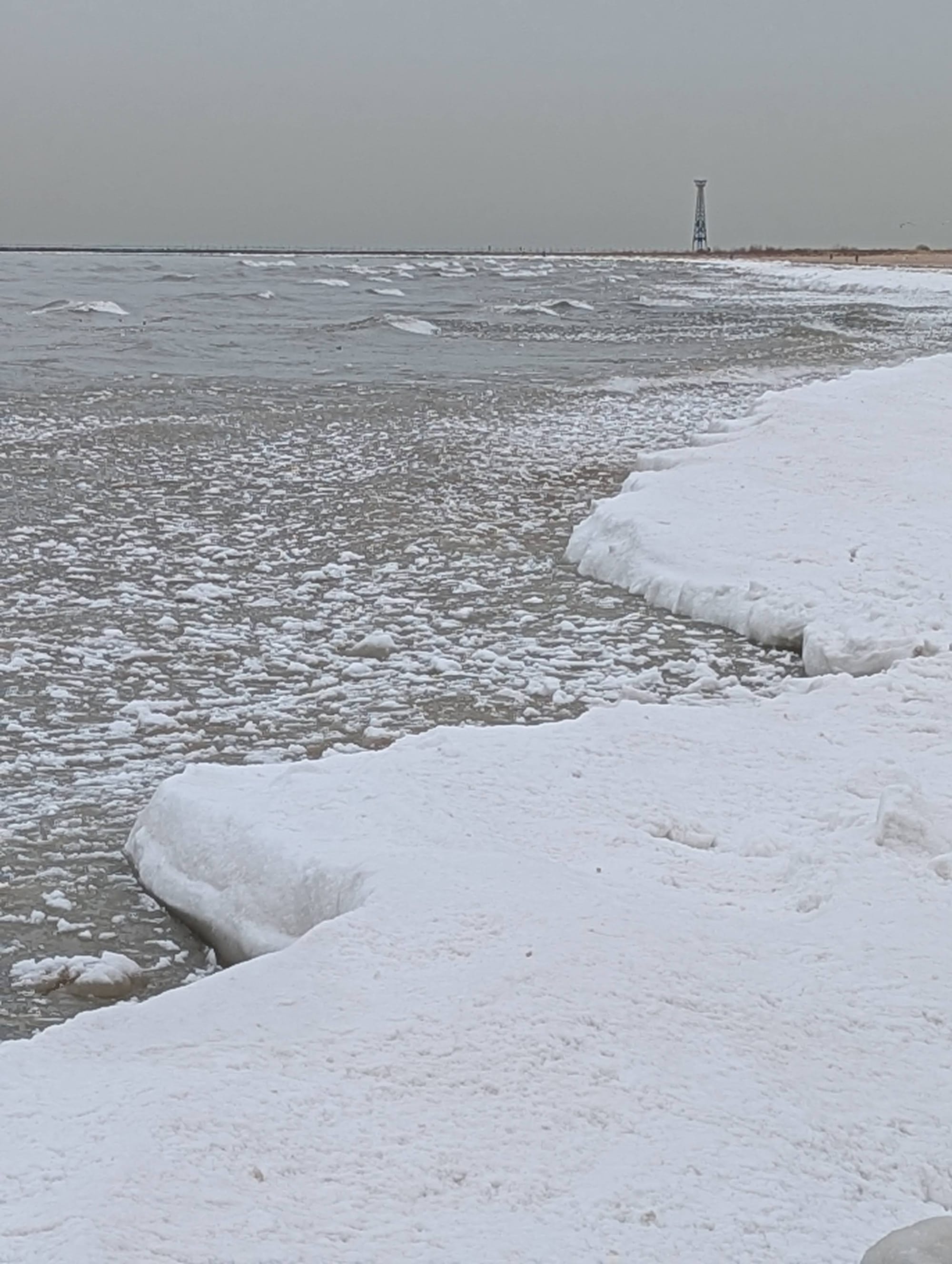
I am afraid, and I experience my fear as an expression of the value I place on life. I love life – my own, but also just in general, when it belongs to others, when it’s expressed in the heaving sighs of Lake Michigan, in the brilliance of the sun’s glow against the building across the block, in the way a tree aches in winter and stretches in spring, in the coos we give our cats, etc etc etc. I don’t want all this to end. In that sense, I fear death.
I fear my own end, my lost opportunities to experience all this living, pain. More than anything I fear and mourn leaving my children. I fear these things and I make decisions accordingly. Some of these decisions are made mostly cognitively – I get vaccinated, I put on my seatbelt, I research safest helmets. Some are made in a more embodied way. I flinch when something comes at me. I don’t swim out too far in the sea.
Some people close to me know me as anxious. I worry and fret. I don’t tend to flout risk.
But the thing about living is that it’s temporary, no matter how much you love it. Sometimes if your fear – whether or not you read it as coming from loving life – tips over too much, then you get a little dead inside. Maybe that’s part of the point, because when you’re deadened you don’t love life so much, then maybe you’re less afraid to lose it. The more we get out of touch with living the less we have to know that we’ll die. I think this is what happens when our fear tips over the deep end, or maybe it’s vice versa (maybe we let go of our love of life and so we feel less fear). Regardless, it seems that if we’re going to place some value on life, we’re gonna have to feel fear, maybe in some sort of proportional amount.
This is a lot of cogitating about a central point that’s difficult to hold onto, which is that to love life and to face death to a certain extent are the same thing. Once I accept this, I know the answer to my question. Yes, I will keep going after this. I am afraid because I love life and I want it to continue, even though it won’t forever, no matter what I do.
I’ll keep going because fascism is the antithesis of life, for us and everyone. They are destroying not only those they have identified as other but also all of our ways of living. Because even if it’s scary, we have to defend life if we want to give more of us a better shot at going on.
Here’s how James Baldwin put it to Angela David when she was imprisoned:
“Some of us, white and Black, know how great a price has already been paid to bring into existence a new consciousness, a new people, an unprecedented nation. If we know, and do nothing, we are worse than the murderers hired in our name.
If we know, then we must fight for your life as though it were out own – which it is – and render impassable with our bodies the corridor to the gas chamber. For, if they take you in the morning, they will be coming for us that night.”
They killed Renée Nicole Good and the coral reefs. Will we keep going after this? This one had an answer well before I formulated mine: look around. Hundreds gather at impromptu vigils and protests, ICE agents are still hounded by neighbor defenders, and the community has rallied to take care of Renee’s family. There’s nothing so soothing to my fear of death in all its iterations as the felt sense that, were I to go, someone would care for my children, fight on in my name, and pass on my words about faith and wonder and high school biology.
And so how could this stop us? We are afraid, of course, which is the very same reason we move to protect each other. As they increase our fear with their terror and violence, we hold fast to life and living. We know our personal grip will be loosened one unpredictable day, but life itself? Look how it proliferates. I heave a sigh with the lake’s rolling waves. I watch birds fly into the pink tinge aching on the morning’s horizon. We feed each other and care for the children.